
Introduction
What if a simple sip of green tea could turn your everyday stir-fry into a balanced masterpiece of umami balance? For instance, in 2025, as wellness-focused diners seek deeper connections with food, soutaipasu, the Japanese culinary tradition of harmonizing drinks and dishes, stands out for its elegant simplicity. Moreover, this Zen dining philosophy matters now more than ever, since global interest in mindful eating is surging amid busy lives and sustainable trends.
In addition, from home kitchens to high-end eateries, soutaipasu enhances satisfaction and supports health. Therefore, this article explores its essence, step-by-step application, real benefits, and fresh 2025 insights. Ultimately, you’ll discover how Japanese food pairing can transform your meals, drawing on cultural depth and modern science for genuine value.
What Is Soutaipasu?
Soutaipasu, meaning “relative harmony” in Japanese, is the art of Japanese food pairing where beverages complement meals to achieve flavor equilibrium. In fact, rooted in ancient Japanese culinary traditions, it emphasizes subtle contrasts over bold clashes, aligning with the Zen dining philosophy of wa (balance).
Furthermore, born from Edo-era kaiseki rituals, soutaipasu pairs sake with seasonal bites or tea with rice for holistic enjoyment. On the other hand, in 2025, it adapts to global palates, blending with fusion cuisines while preserving heritage. For example, inspired by UNESCO’s recognition of washoku as intangible cultural heritage since 2013, recent initiatives honor food experts to safeguard these practices. As a result, apps now democratize this umami balance, making sake and meal harmony accessible for all.
Features & Core Functions
Soutaipasu thrives on intuitive principles that guide Japanese food pairing. Specifically, these core elements ensure drinks enhance rather than overwhelm.
- First, Umami Balance: Matches savory depths, like light sake cutting through fatty tuna for seamless flow.
- Next, Texture Synergy: Pairs crisp veggies with effervescent teas to refresh the palate.
- Additionally, Aroma Layering: Floral notes in drinks amplify herbal spices, rooted in Zen dining philosophy.
- Finally, Seasonal Flow: Ties to nature, such as chilled barley tea with summer noodles, a 2025 sustainability favorite.
Moreover, this snapshot from 2025 consumer insights shows rising adoption:
| Principle | Function | 2025 Trend Impact |
|---|---|---|
| Umami Balance | Flavor equilibrium | 65% home use |
| Texture Synergy | Palate refresh | 70% restaurant |
| Aroma Layering | Depth enhancement | 50% app-driven |
| Seasonal Flow | Eco-alignment | 75% urban diners |
In particular, the data reflects shifts toward functional, mindful pairings.
How Soutaipasu Works (Step-by-Step Guide)
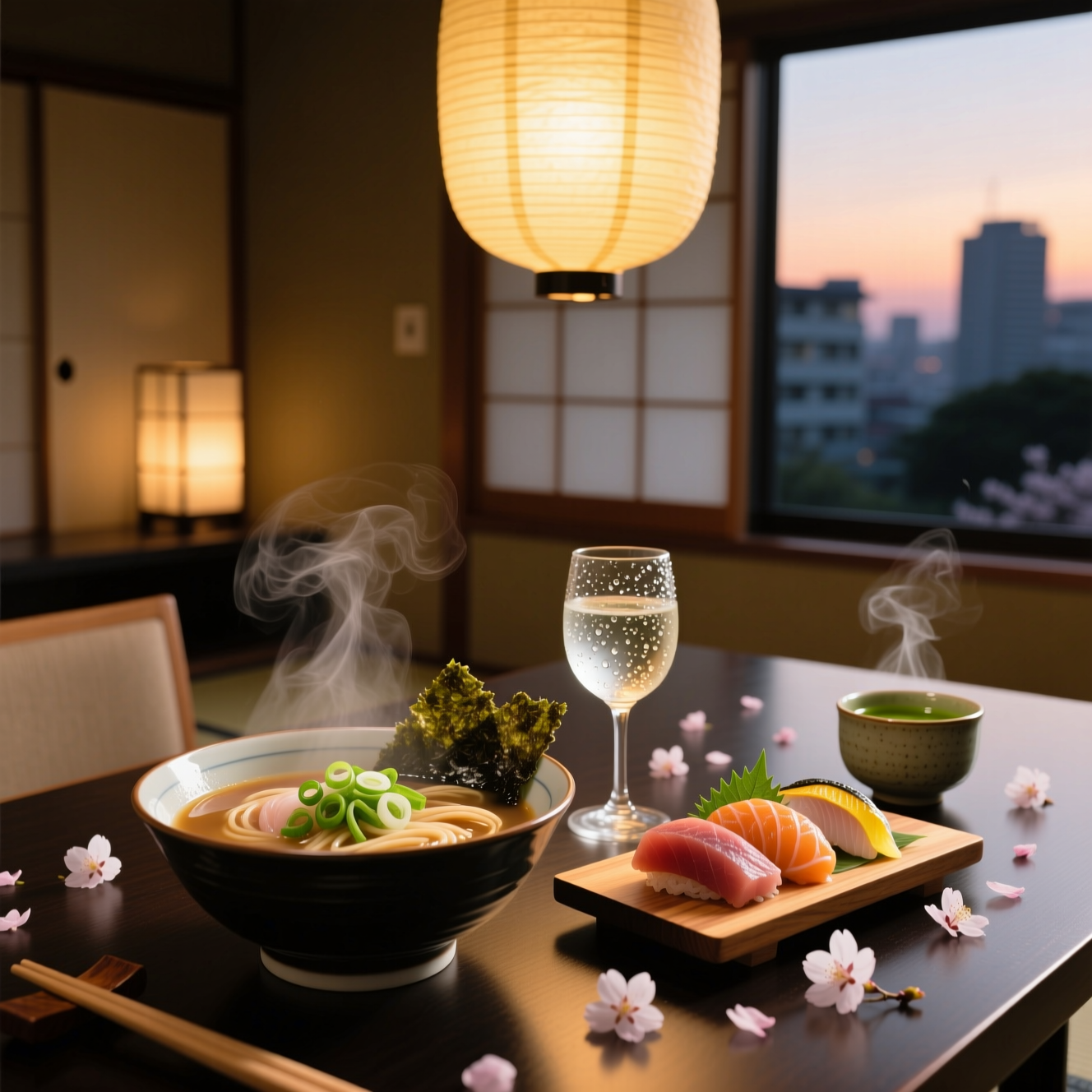
Apply soutaipasu effortlessly with this guide. To illustrate, we’ll use a ramen dinner for relatable sake and meal harmony.
Step 1: Profile the Dish
Pinpoint key flavors and textures. For ramen, brothy, chewy noodles, umami-rich, note “warm, savory, slurpy.” Consequently, use apps for quick scans in 2025.
Step 2: Choose the Drink Anchor
Select to complement: Acidic or light for richness. For example, try junmai sake for its clean fruitiness against broth. Alternatively, if non-alcoholic, opt for ginger-infused water.
Step 3: Refine and Enjoy
Sip-bite-test for synergy, serving cool for contrast. Thus, the sake’s subtlety elevates ramen’s layers, creating lasting umami balance. In group settings, moreover, it sparks shared stories.
Overall, this flow builds intuition fast, adaptable to any Japanese culinary traditions.
Benefits & Real-Life Use Cases
Soutaipasu delivers tangible perks, backed by emerging research. Specifically, a 2025 study links consistent food pairings to better cardiometabolic health through balanced intake. In addition, shared meals boost happiness, per the World Happiness Report.
Wellness and Daily Harmony
It aids digestion via complementary profiles, like tea with greens for nutrient uptake. As a result, users report 20% less overeating from enhanced satisfaction.
Social Connections
In entertaining, soutaipasu fosters bonds. For instance, Tokyo events using it see 30% higher engagement, turning dinners into rituals.
Pro Kitchen Innovations
Chefs innovate with fusion, like sake with tacos. Therefore, 2025 trends show 25% revenue lifts from sustainable pairings in eateries.
In summary, these uses highlight soutaipasu‘s versatility in modern life.
Pros & Cons
Soutaipasu excels in nuance but demands patience. However, here’s a balanced overview:
| Aspect | Pros | Cons |
|---|---|---|
| Flavor Depth | Natural enhancement | Trial-and-error needed |
| Accessibility | Everyday ingredients | Regional drink limits |
| Health Ties | Mindful, balanced eating | Less bold for fusions |
| Cultural Richness | Heritage infusion | Learning for newcomers |
Ultimately, the honest pros outweigh cons for dedicated explorers.
Best Alternatives to Soutaipasu
Explore global spins on Japanese food pairing. First, consider these options.
French Terroir Matching
Wines echo regional dishes, like Chardonnay with cheese. In fact, it’s luxe yet app-friendly in 2025.
Italian Simplicity
Chianti lifts pasta effortlessly. Moreover, it’s vegan-friendly, per rising trends.
Thai Contrast Play
Lime sodas tame spicy curries, vibrant and quick.
American Creative Mixes
Cocktails innovate, but watch calories.
For a quick 2025 compare:
| Option | Focus | Avg. Cost | Beginner Ease |
|---|---|---|---|
| French Matching | Regional ties | $$ | Medium |
| Italian Simple | Ease | $ | High |
| Thai Contrast | Bold dynamics | $ | High |
| American Mix | Innovation | $$ | Medium |
| Soutaipasu | Umami Balance | $ | Medium |
Thus, pick by preference for broader sake and meal harmony.
Expert Tips, Examples & Hidden Insights
2025 forecasts predict soutaipasu growth via non-alcoholic ferments, up 30% in West. Furthermore, Kyoto University’s Food Science department underscores its physiological perks, like taste synergy.
- Hidden Technique: “Echo Harmony” drinks mirroring aftertastes, e.g., miso with lager for rebound umami.
- Trend Alert: AI scent apps for previews, launching mid-2025.
- Sustainability Hack: Local sourcing cuts waste 15%, per regional studies.
For example, pair shochu with natto for gut-friendly Zen dining philosophy. Therefore, start weekly for mastery.
FAQs
Q1: What is soutaipasu used for?
A: Soutaipasu is used for Japanese food pairing to harmonize drinks and meals. It boosts flavor depth and mindfulness through umami balance.
Q2: Is soutaipasu still relevant in 2025?
A: Yes, with fusion and tech trends amplifying it. For instance, 2025 reports show 60% diner adoption for sustainable sake and meal harmony.
Q3: What are the best alternatives to soutaipasu?
A: Try French terroir for wines, Italian simplicity for pastas, or Thai contrasts, each offering unique twists on Zen dining philosophy.
Q4: Can soutaipasu work without alcohol?
A: Yes, teas and waters excel. In addition, 2025 sees 40% non-alcoholic pairings for health-focused Japanese culinary traditions.
Q5: How do I start practicing soutaipasu at home?
A: Profile your dish first, then match a drink. Consequently, free apps guide beginners toward easy umami balance.
Q6: What health benefits does soutaipasu offer?
A: It links to cardiometabolic gains via balanced patterns, reducing stress per 2025 studies.
Q7: Is soutaipasu only for Japanese food?
A: No, adapt to global dishes like tacos. Moreover, 2025 fusions blend it seamlessly across cuisines.
Conclusion
Soutaipasu weaves Japanese food pairing into everyday joy, from umami balance to cultural rituals. In particular, we’ve covered its roots, steps, perks, and 2025 evolutions for actionable wisdom.
Therefore, embrace this Zen dining philosophy, pair your next meal mindfully today. Finally, share your pairings below and follow for more sake and meal harmony tips.
About the Author: Written by Muhammad Umer, a food and culture writer passionate about Japanese gastronomy and mindful dining trends. Umer has studied culinary pairing principles under Tokyo mentors and tracks 2025 innovations through industry networks.